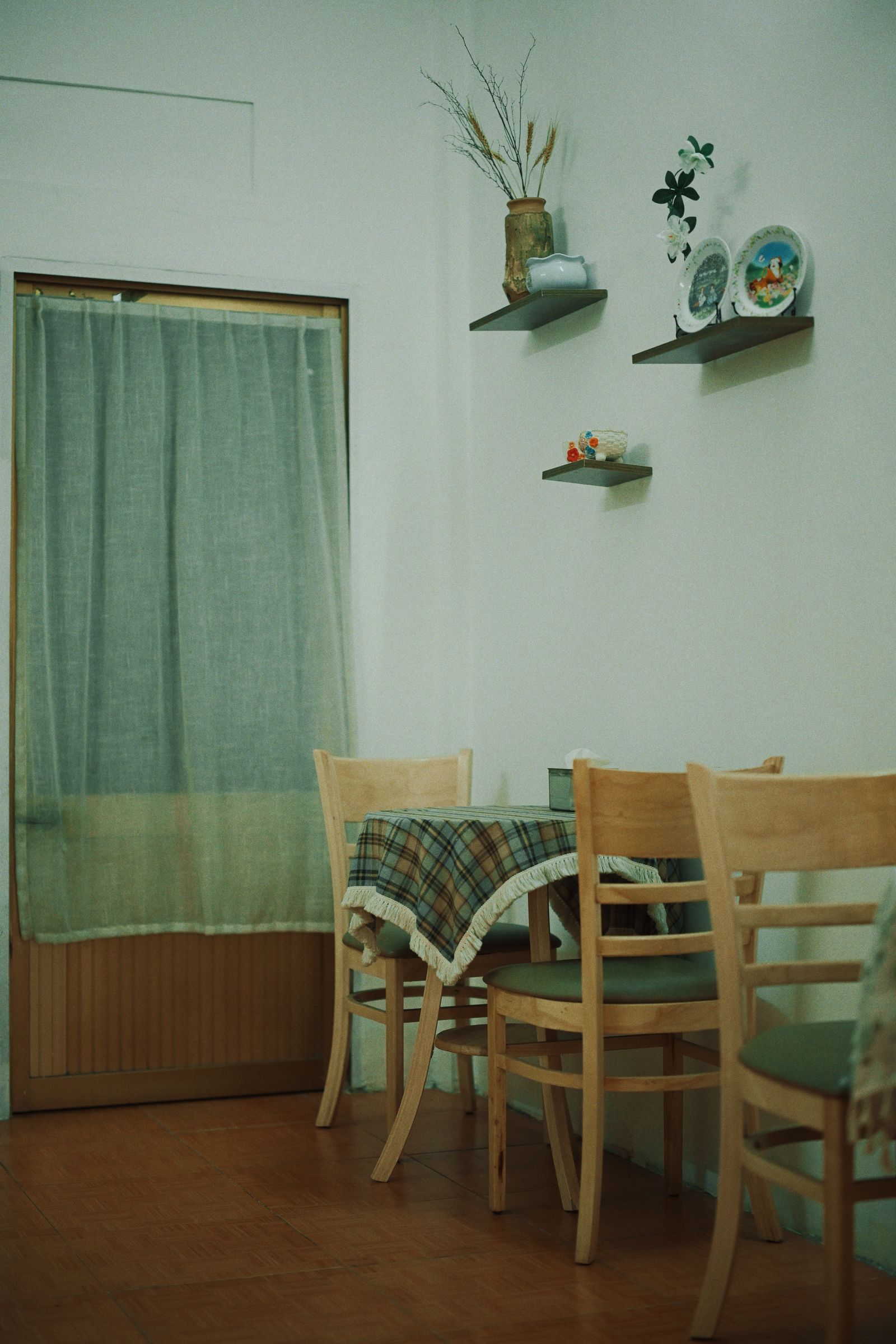
Finding furniture for a compact apartment often feels like solving a rigid puzzle where the edges refuse to align. Every square inch counts, and a dining table takes up more visual and physical room than almost any other piece. People often compromise by buying mass-produced miniature furniture that feels flimsy and out of place.
A handmade solid wood dining table changes that dynamic completely because the proportions are built specifically for human comfort rather than shipping container efficiency. Selecting the correct size and shape transforms a cramped corner into the most inviting spot in the home.
Calculating Space Around Each Seat
Elbow room dictates whether a meal feels relaxed or claustrophobic. Each diner requires roughly twenty-four inches of linear edge space to sit comfortably without knocking elbows with the person next to them. Squeezing six seats into a tiny perimeter creates an awkward dining experience where guests hunch over their plates.
Allow at least thirty-six inches of clearance between the table edge and the nearest wall or large piece of furniture. This clearance lets chairs slide backward smoothly and leaves enough room for someone to walk past while dinner is in progress. Ignoring this rule turns every meal into a gymnastics routine.
Comparing Table Shapes in Tight Layouts
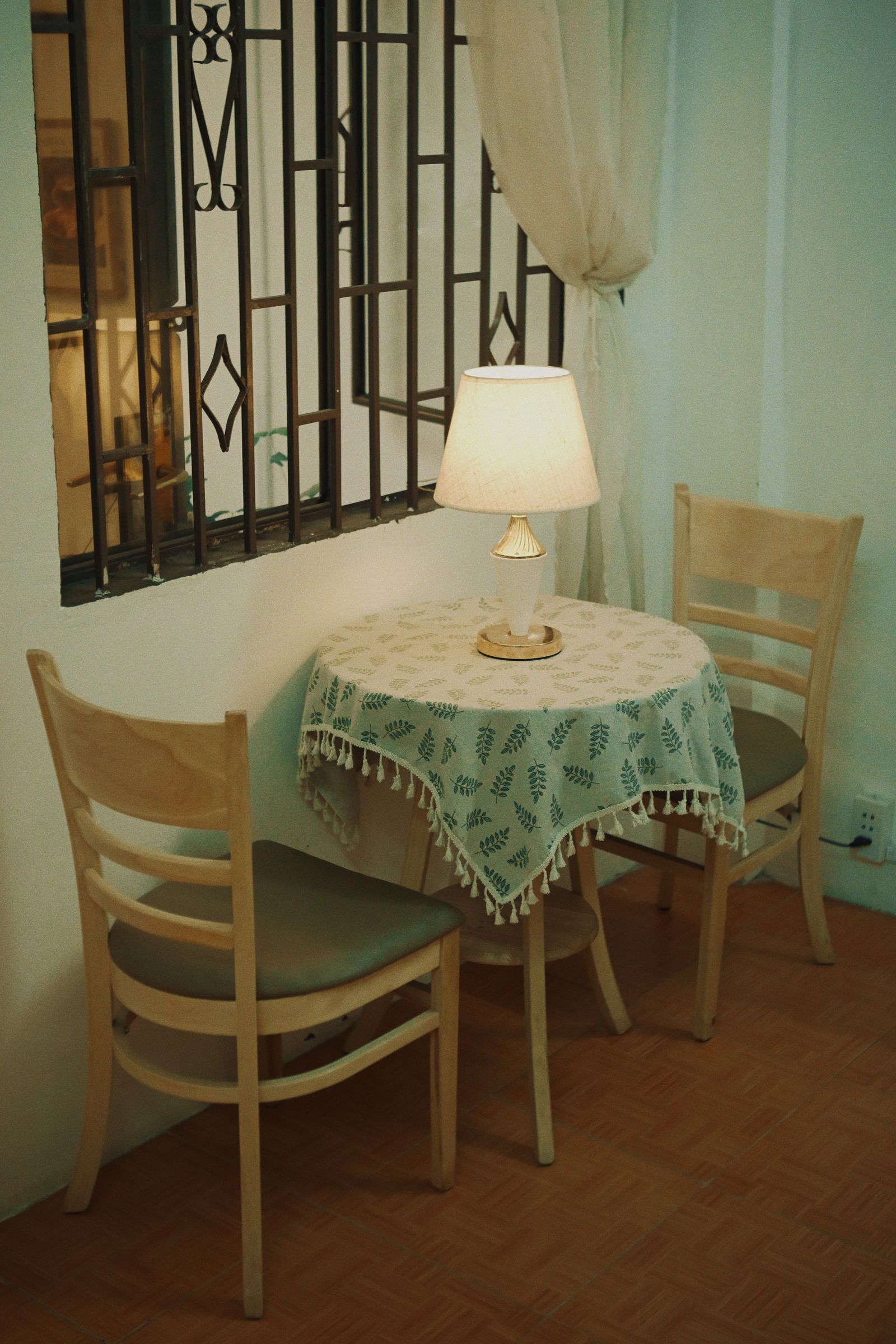
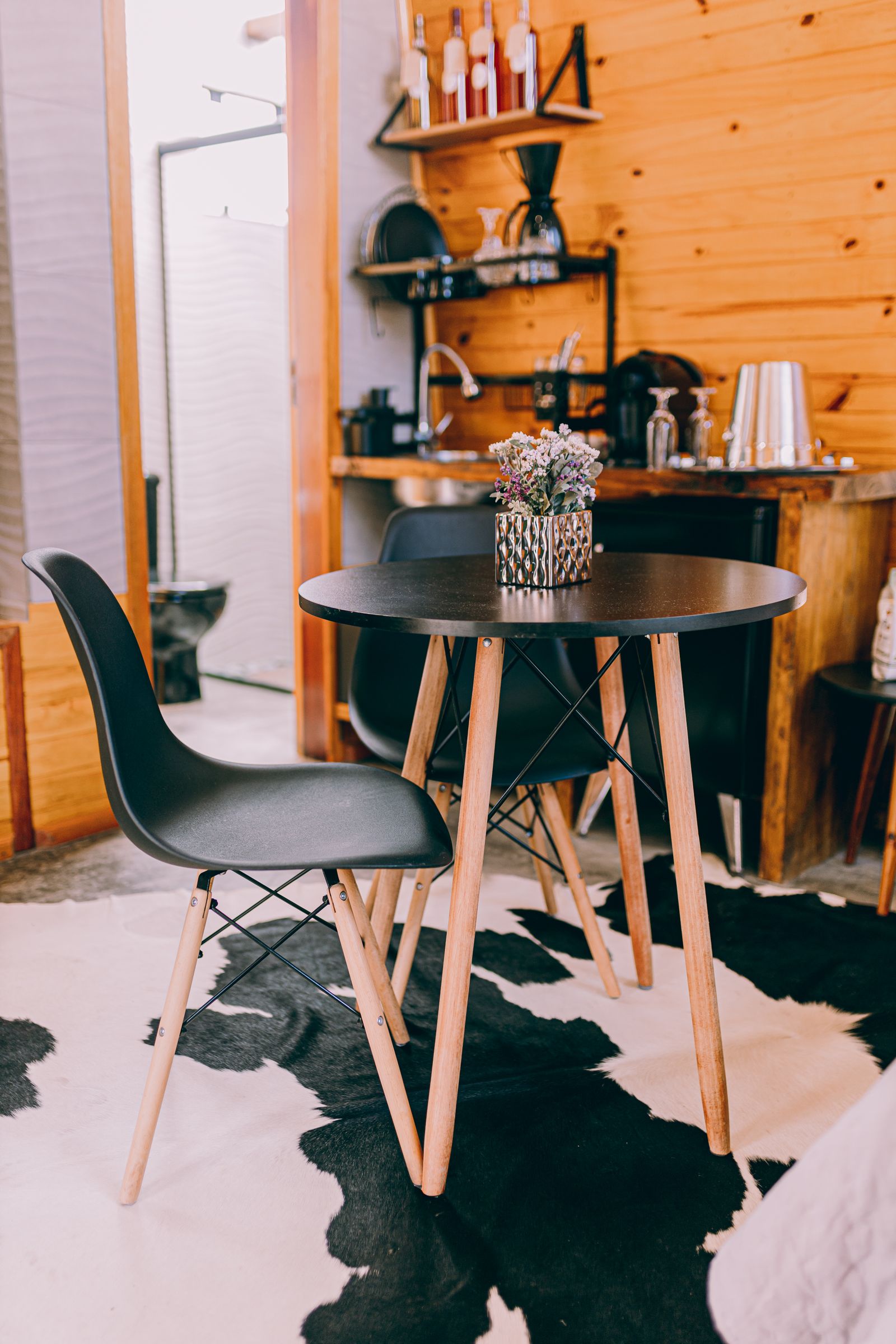
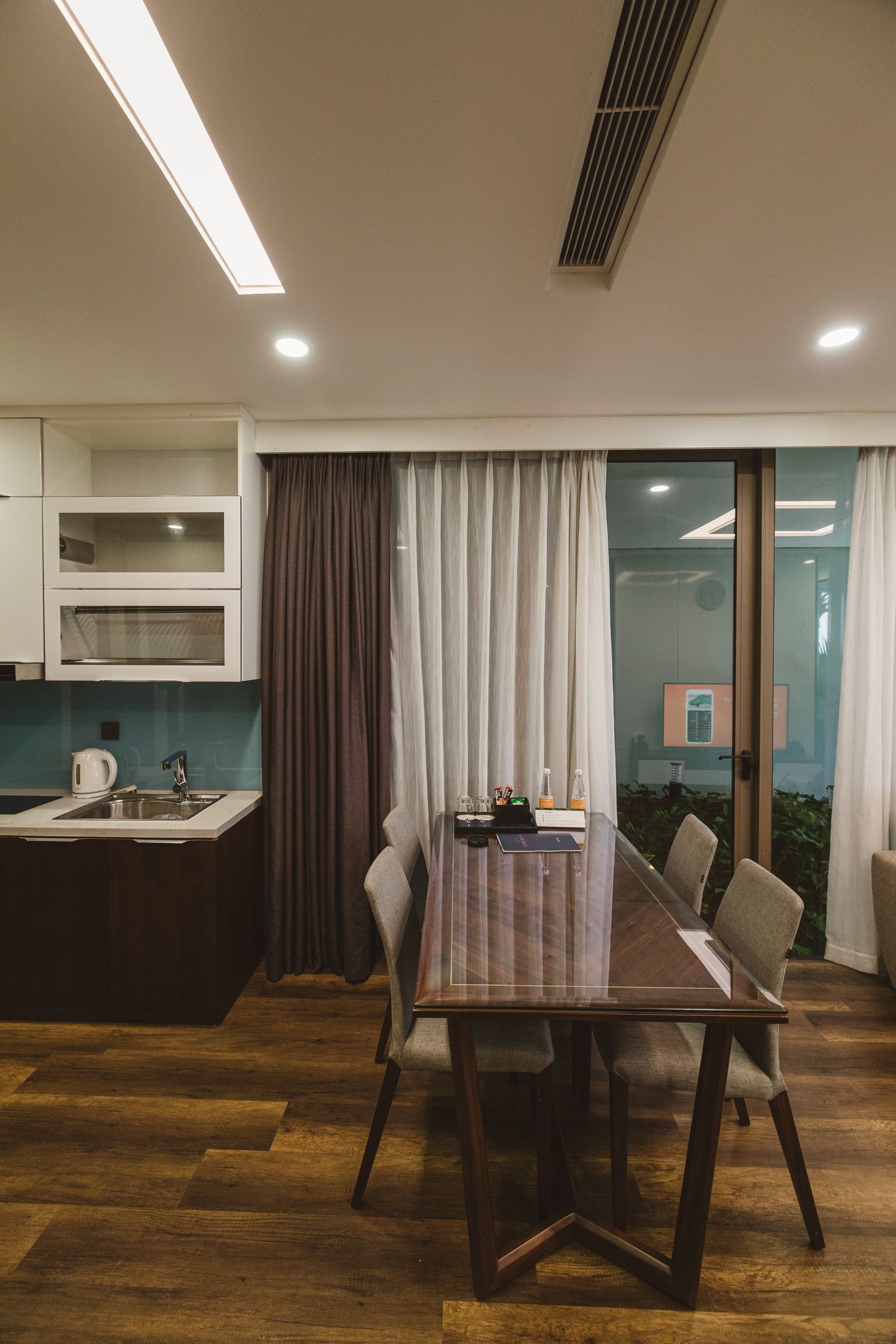
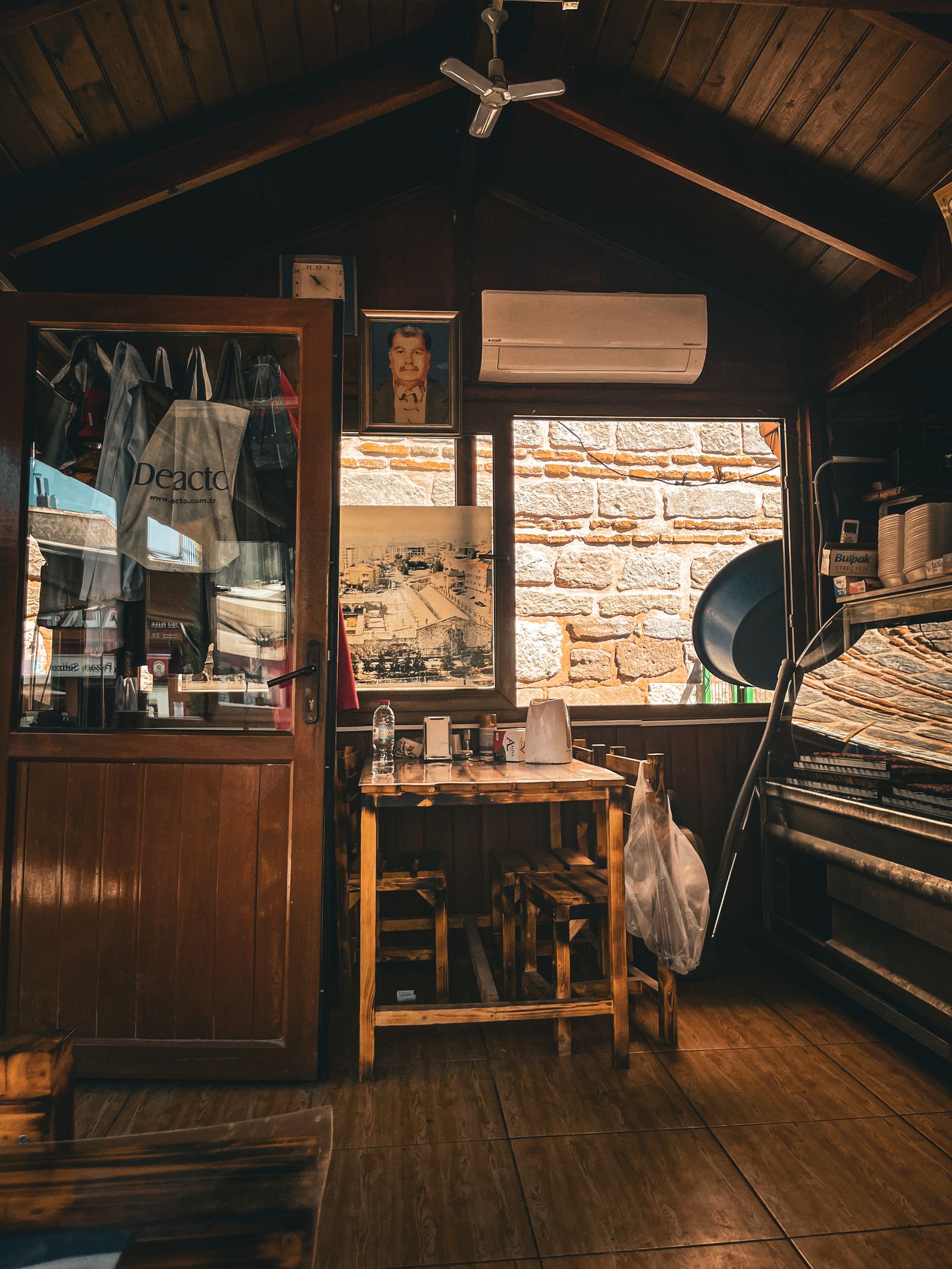
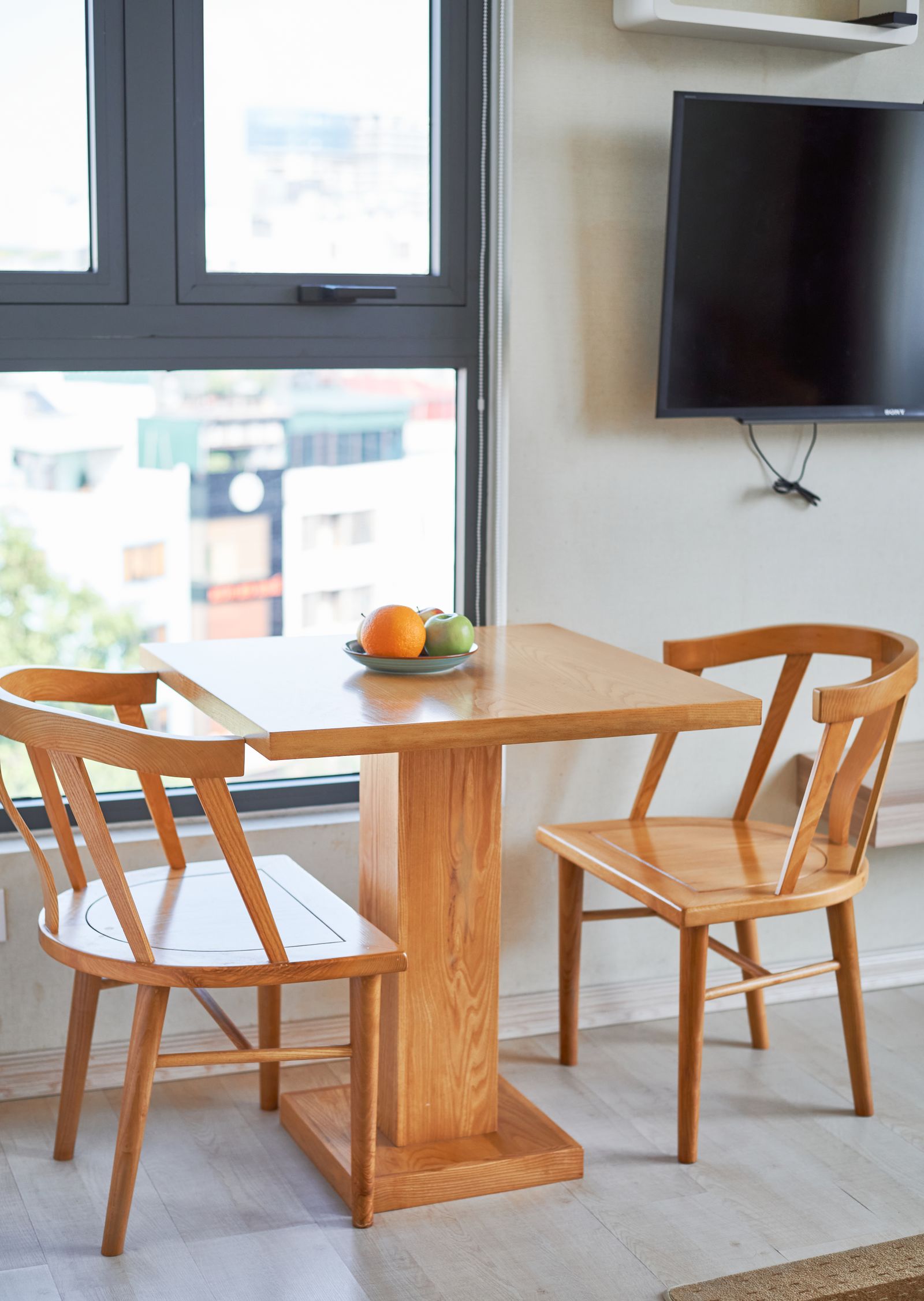
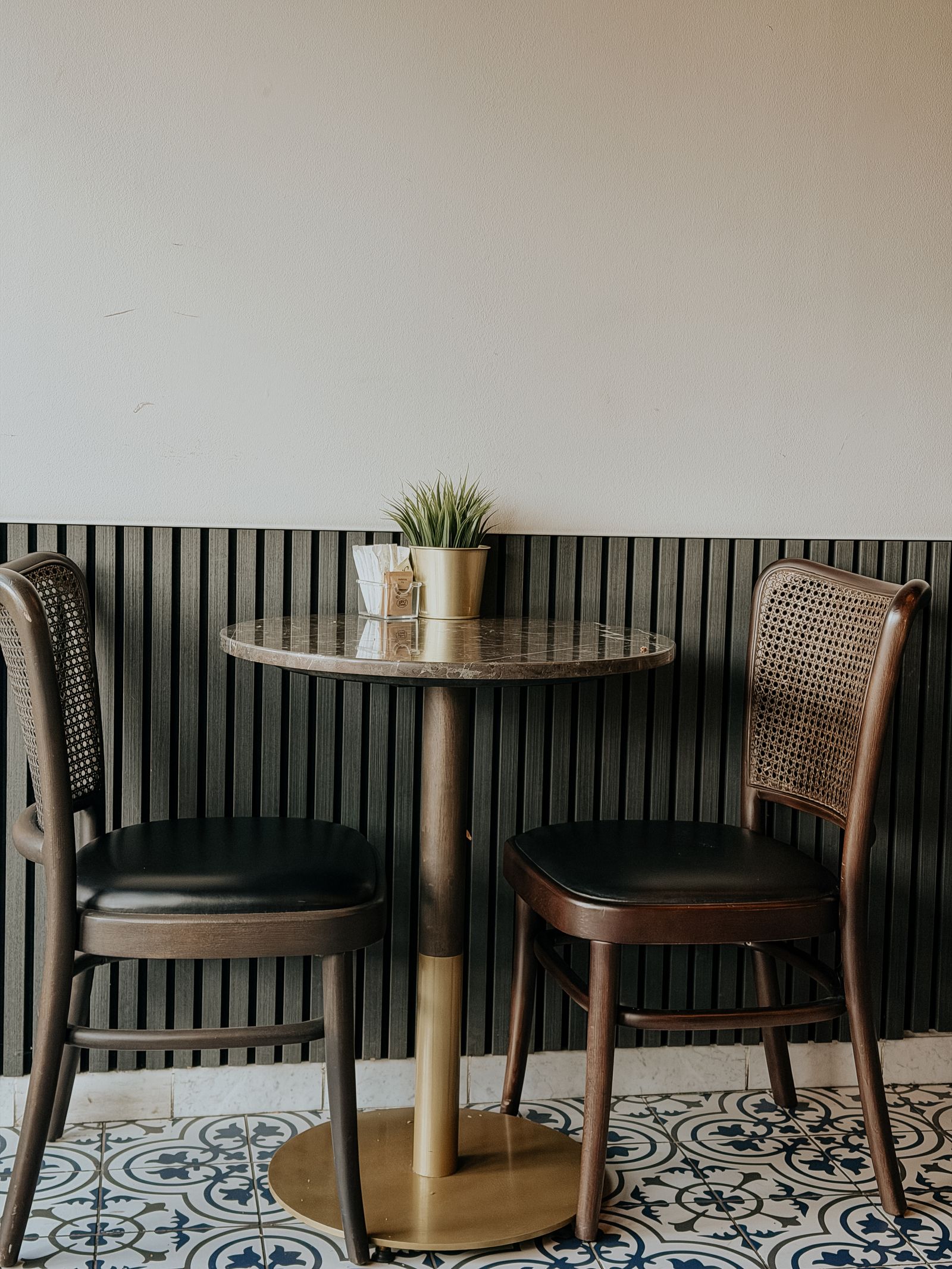
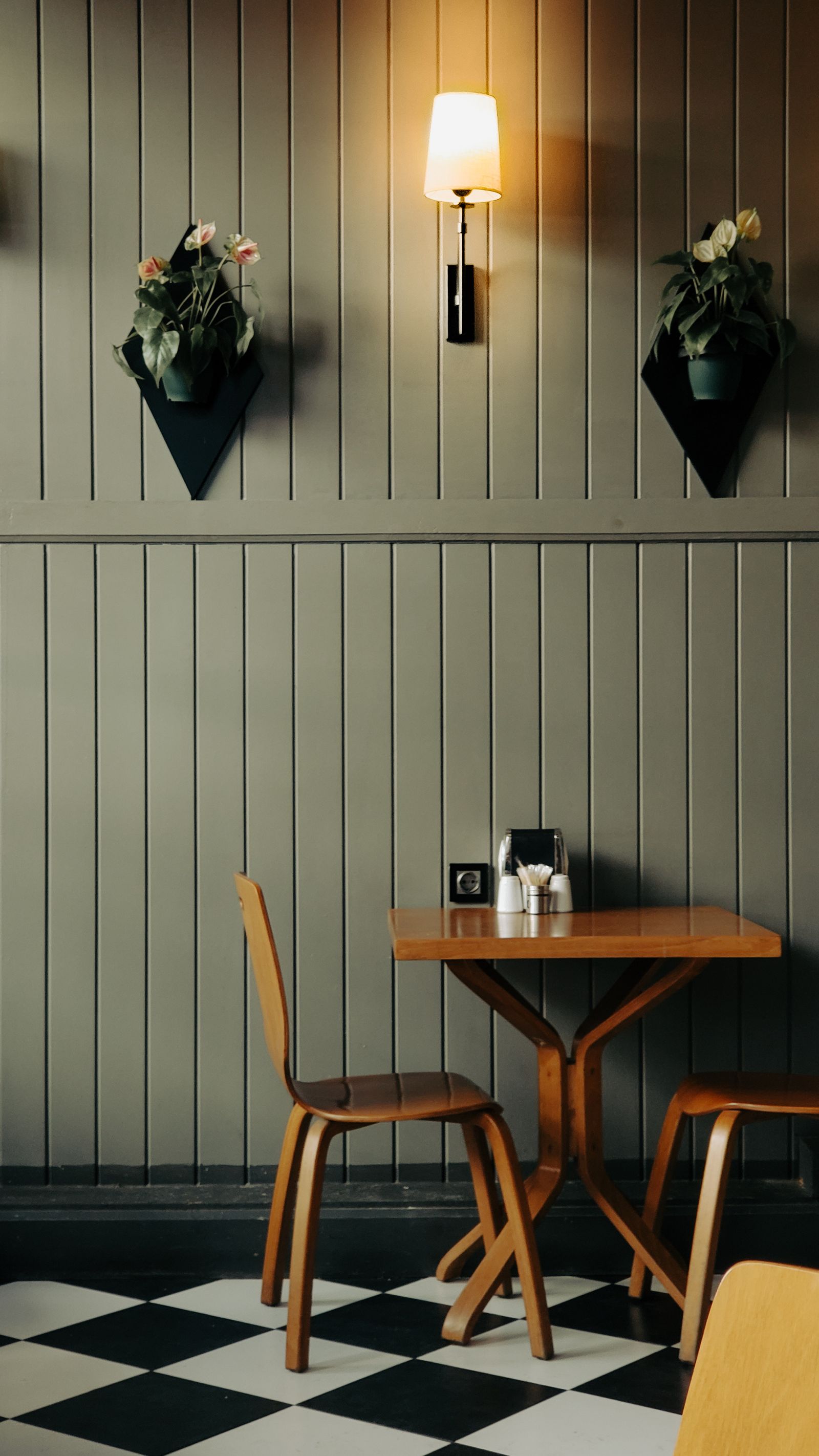
Different tabletops interact with small floor plans in distinct ways. A square surface works well in dead corners, while an elongated rectangle guides the eye along a narrow kitchen. Round designs remove sharp corners entirely, softening the traffic flow in heavily transited zones. Understanding these geometries keeps a small room feeling breathable.
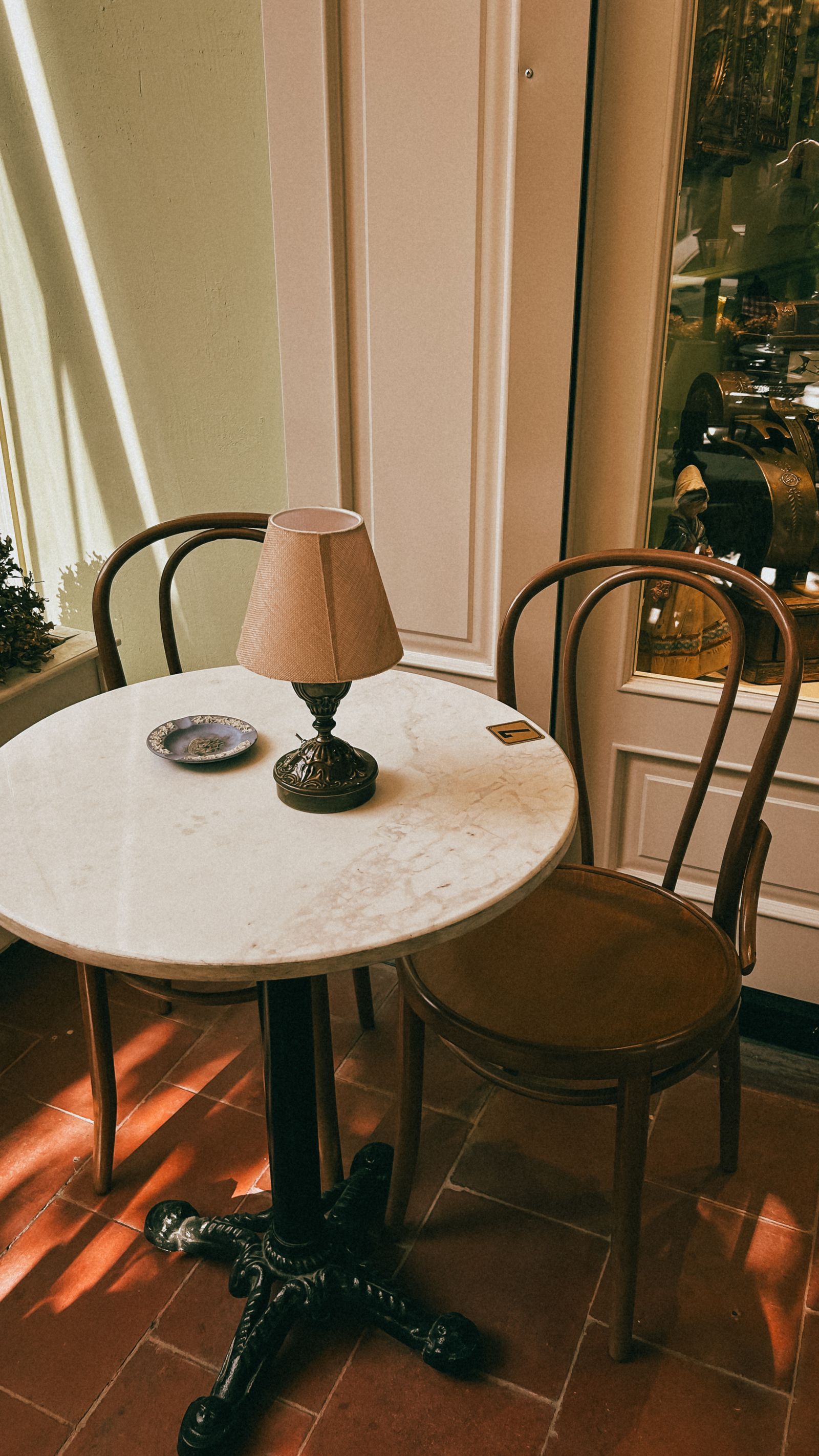
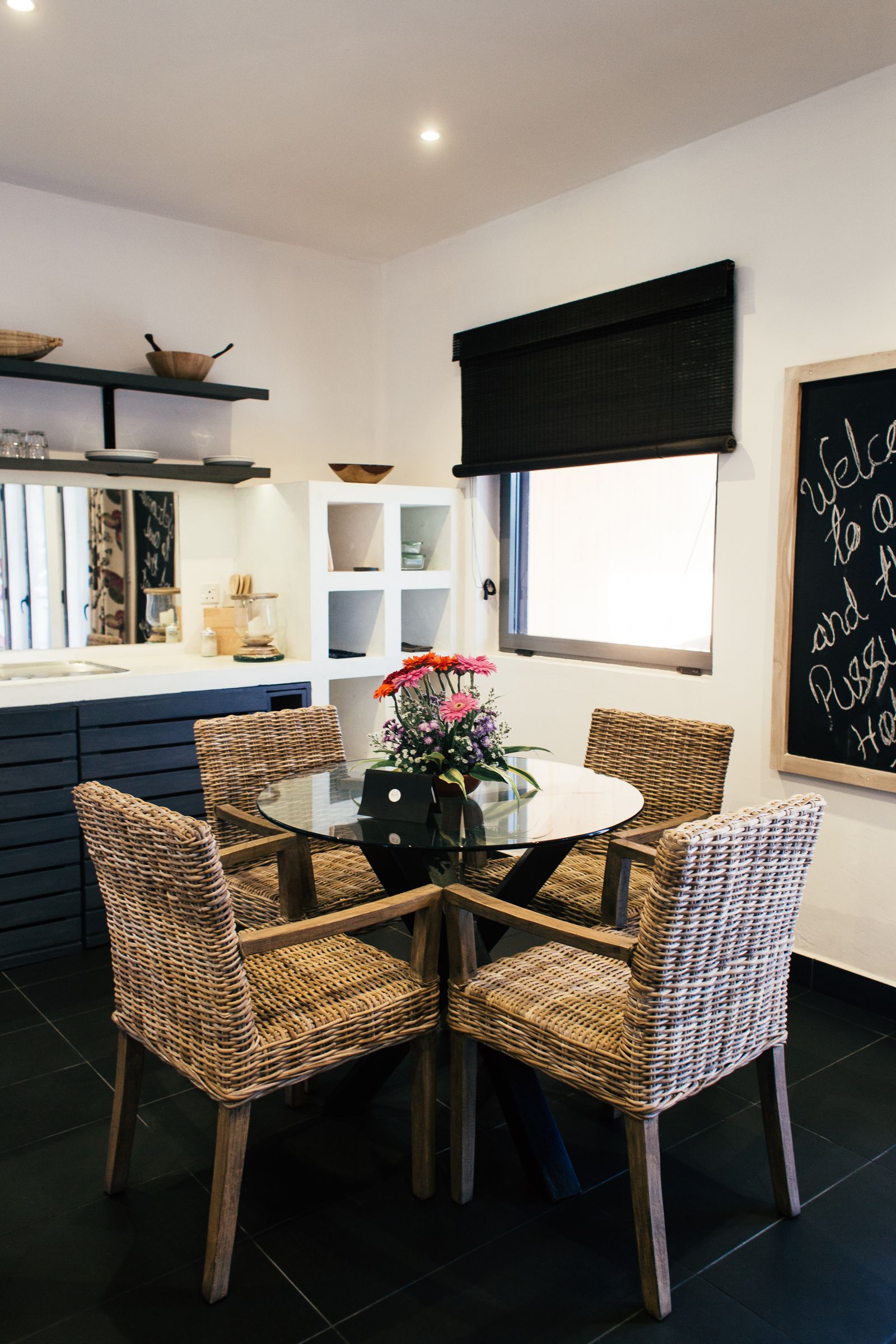
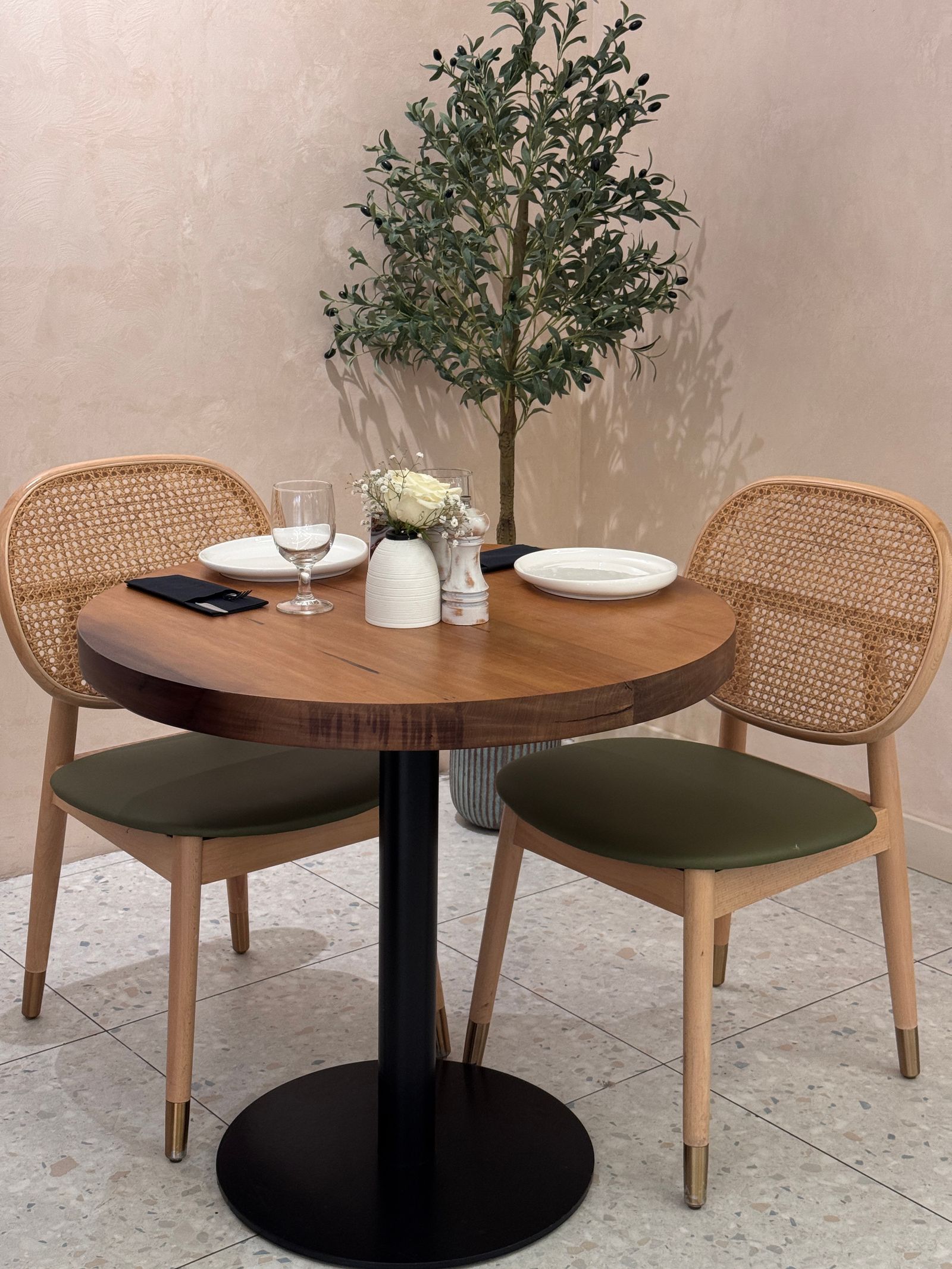
- Round tops encourage conversation and fit fluidly into irregular floor plans without snagging passing clothing.
- Square models maximize corner placement but can feel rigid when pushed directly against a partition wall.
- Oval formats combine the soft edges of circles with the seating capacity of elongated rectangles.
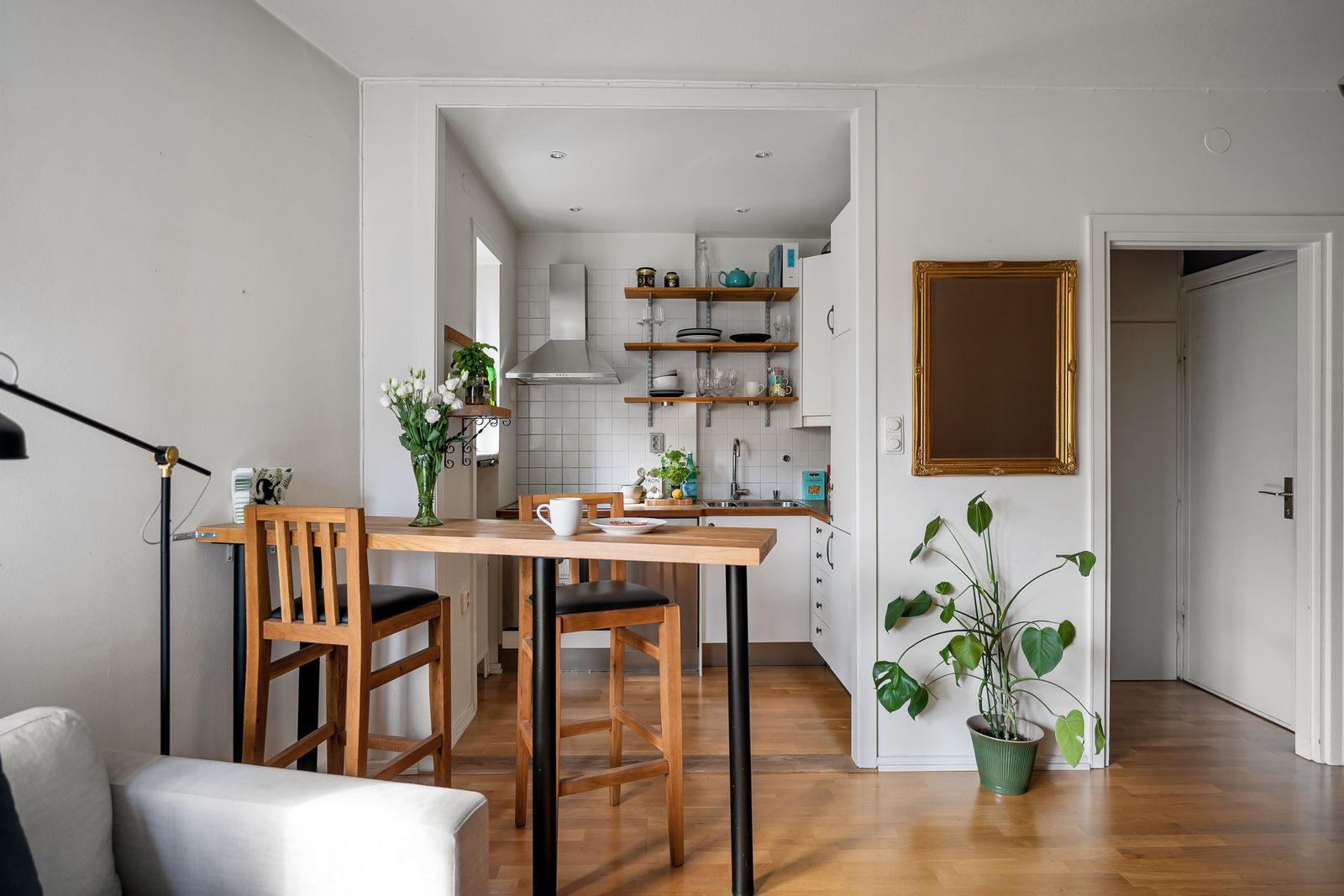
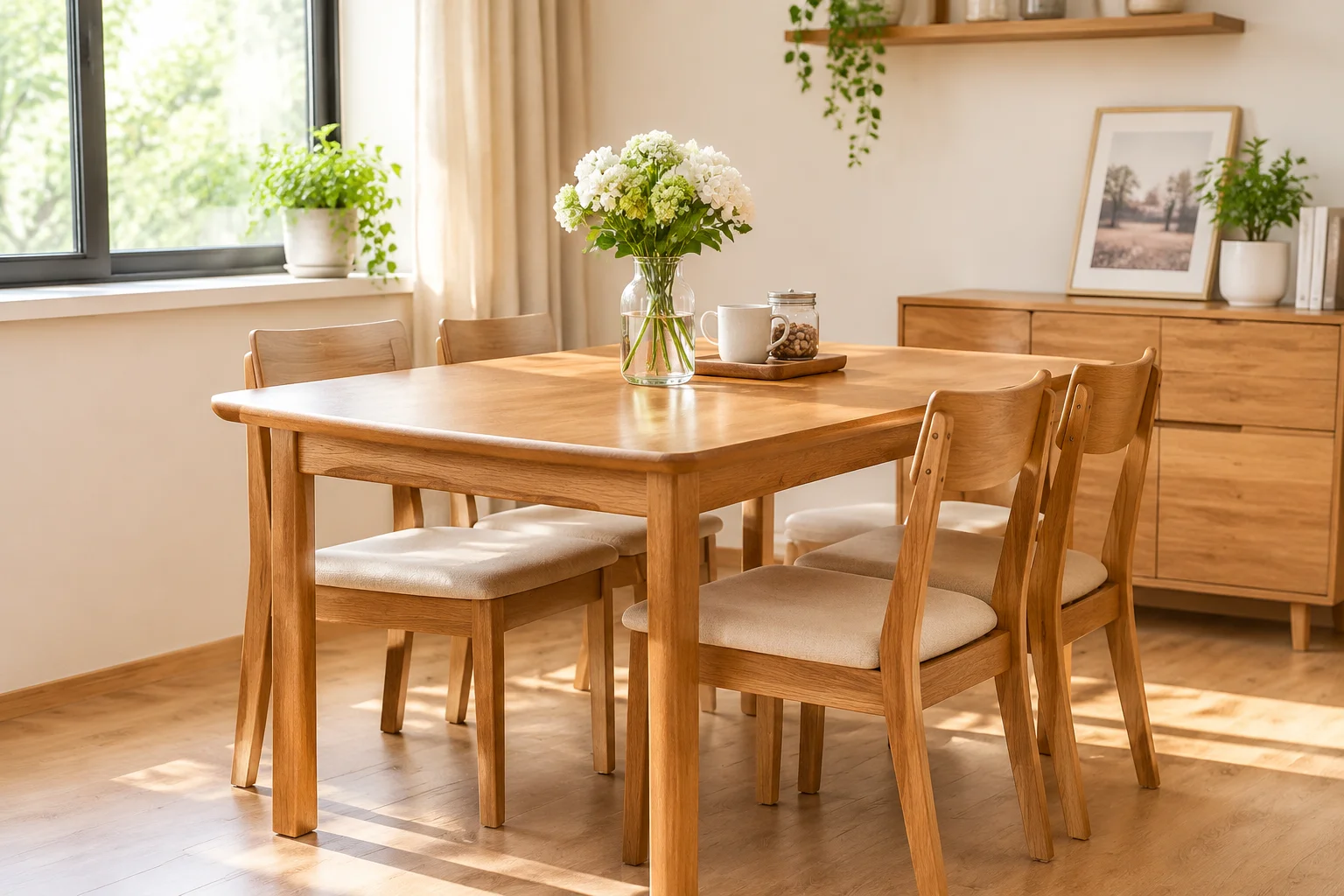
- Rectangular tops hug parallel walls cleanly and utilize narrow galley spaces with maximum efficiency.
- Drop-leaf variations fold down completely when empty to reclaim valuable floor space during daytime hours.
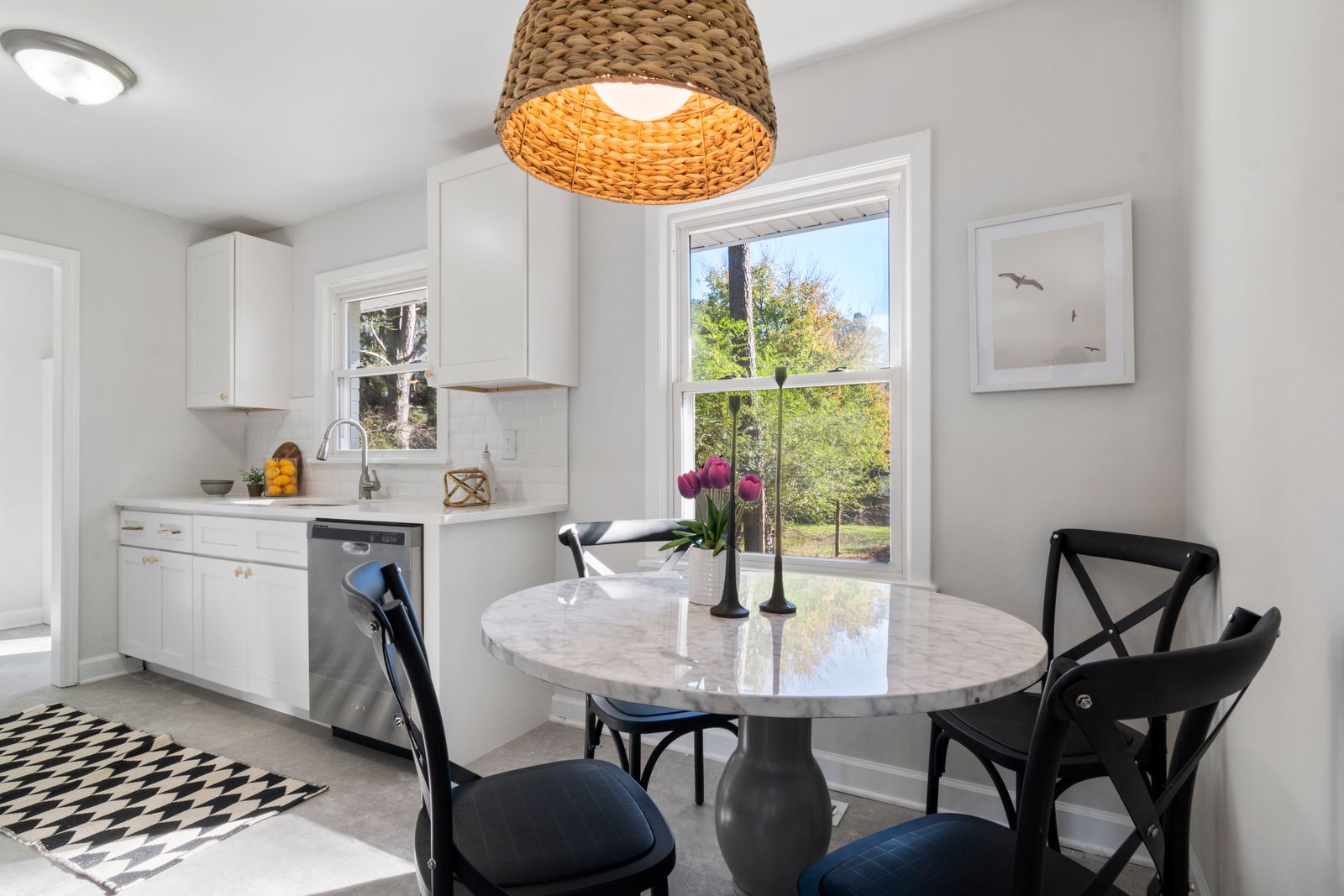
- Pedestal bases eliminate corner table legs, allowing extra chairs to tuck underneath effortlessly.
The Hidden Value of Handmade Joinery
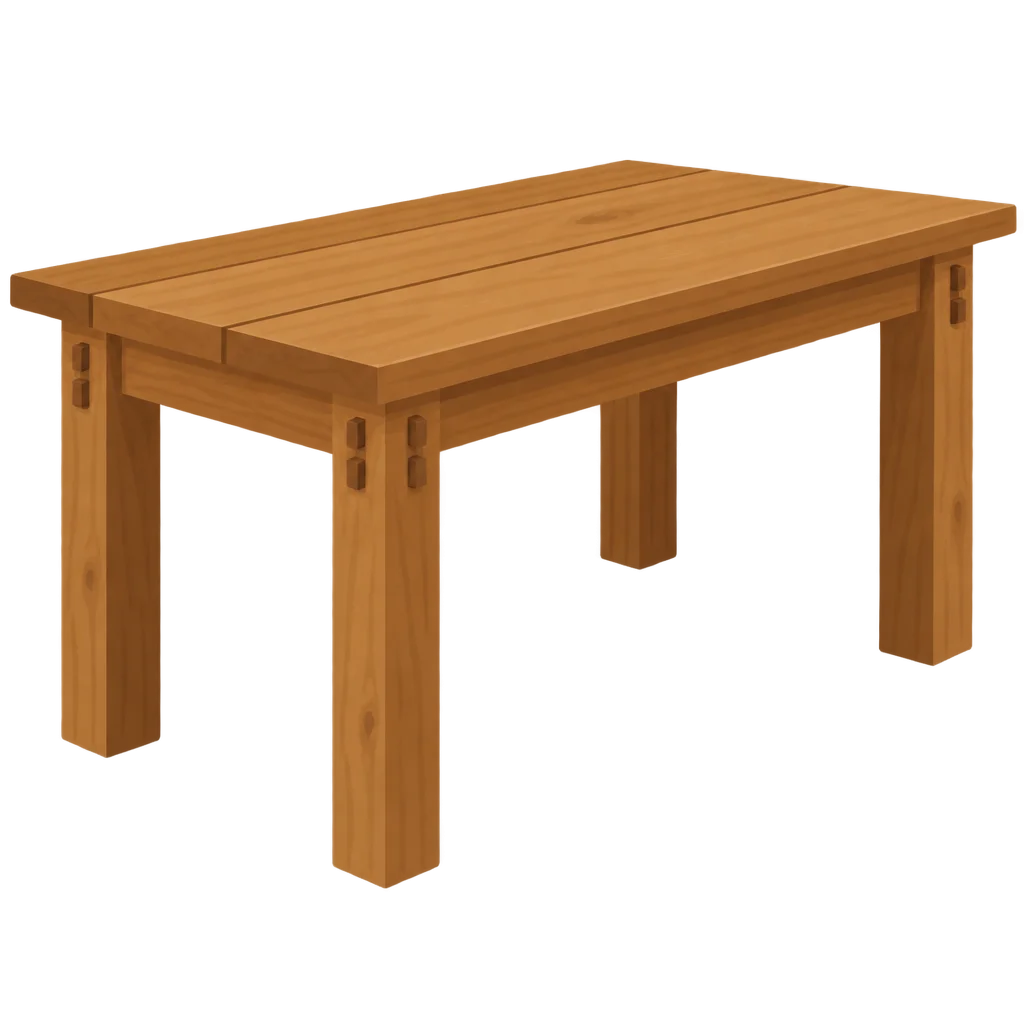
Factory-made tables rely on particle board and cam-lock fasteners that loosen after a few seasons of heavy use. A handmade dining table utilizes time-tested joinery like mortise and tenon construction to lock the legs and top together permanently. This structural integrity matters immensely in small rooms where furniture gets bumped and shifted constantly.
Solid timber boards expand and contract with seasonal humidity shifts. Skilled woodworkers account for this natural movement by designing breadboard ends and slotted fixings that prevent the wood from splitting. Mass production ignores these organic properties, resulting in warped surfaces within a couple of winters.
Selecting Wood Species and Finishes
Oak, walnut, and maple bring distinct textures into a room. Lighter woods like ash or hard maple bounce natural light around a dim apartment, making the entire floor plan feel larger. Darker timber adds warmth and grounded gravity, anchoring an otherwise sterile modern interior.
Apply hardwax oil rather than thick polyurethane to protect the wood. Oil penetrates the grain directly, leaving a tactile matte surface that welcomes bare hands and hot coffee mugs. Scratches on an oiled table blend into the patina over time instead of showing up as white scars on a plastic laminate.
Investing in a handmade table means accepting the natural imperfections of real timber. Knotholes, slight color variations, and mineral streaks tell the story of the tree before it entered the workshop. These unique details bring warmth to a small dining nook that a sterile showroom piece can never replicate.